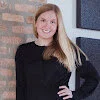
More Than a Foster Home | Kristin Allender
Kristin Allender, Executive Director of Tennessee Kids Belong and CEO of America’s Kids Belong, joins Spencer and Carli to share the stories behind the children still waiting for families and why everyone has a role to play. From foster families and churches to businesses and the “blueberry muffin man,” Kristin shows how ordinary people can help create a community where vulnerable children know they belong.
About Kristin Allender
Kristin Allender is the Executive Director of Tennessee Kids Belong and CEO of America’s Kids Belong. A social worker and adoptee with more than 20 years of experience in foster care and adoption, Kristin works to bring businesses, churches, government, and communities together to better support vulnerable children and the families who care for them.
Every Child Deserves to Belong
For children in foster care, finding a safe and loving family can change the trajectory of their lives. But Kristin believes supporting vulnerable children isn’t only the responsibility of foster and adoptive parents. Through Tennessee Kids Belong, she is helping entire communities discover a role they can play, from churches wrapping around foster families to businesses removing everyday barriers. The goal is simple: make sure families who say “yes” have a community willing to say “yes” with them.
About Tennessee Kids Belong
Tennessee Kids Belong works to improve the experiences and outcomes of children in foster care by mobilizing communities around them. Its work includes helping children waiting for adoption share their stories, equipping churches to support foster families, and connecting families with Foster Friendly businesses and resources. What began with two people in Tennessee has grown into a statewide team working to make foster care a community-wide responsibility.
Resources
Tennessee Kids Belong
Meet Tennessee Kids Waiting to Be Adopted | I Belong Project
WRAP Programs- helping Foster Parents with daily tasks to give them time back with their kids
Become a Foster Friendly Business
Learn About Becoming a Foster Parent
-
Spencer Patton: [00:00:00] Welcome to Signature Required. It is intended for Tennesseans by Tennesseans
Kristin Allender, executive director of Tennessee Kids Belong and CEO of America's Kids Belong. Welcome to Signature Required.
Kristin Allender: Thank you so much for having me.
Spencer Patton: Kristin is the executive director of Tennessee Kids Belong and CEO of America's Kids Belong. A social worker and adoptee with more than 20 years of experience in foster care and adoption, she works to bring communities together to better support vulnerable children and families.
Do you want to be knighted or sainted before we begin the podcast- Oh my goodness ... or after we begin the podcast? No,
Kristin Allender: farthest from it. Farthest from it.
Spencer Patton: That is, I feel like, the most honorable- Mm ... and notable description that has ever been read- Oh my gosh. I agree ... on one of our [00:01:00] podcast guests. So let's start there.
Um, what led you to spend your life in such an incredible and, uh, impactful way?
Kristin Allender: Well, you mentioned I was an adoptee, so I... It was a private adoption, and growing up it was a very positive experience. I have a younger sister who was also adopted at birth. She's about five years younger. And you wouldn't believe this, but I made it all the way to my first week in college and had never heard the term social worker before.
Carli Patton: Huh.
Kristin Allender: So I talked openly about my adoption, and I had mentioned it in a, uh, orientation group that I was in, and the orientation leader said, "Oh, are you gonna be a social work major?" I said, "I don't know what that is." And she said, "Oh, you can work with birth moms, you can work with adoptive families, and you can help bring them together."
And I was like, "I think I have found my new career path." I was, uh, signed up to be a teacher. Okay. That was my declared major week one of [00:02:00] college. And so I went back to my dorm room and I was, you know, wrestling through the catalog, reading the description of what is a social work major, and I marched into the registrar the next day and I said, "Hi, I'm here to change my major."
And the woman looked at me and she said, "Honey, why don't you give college more than a week before you change your major?" And I said, "I promise you, I've never been more sure of anything."
Spencer Patton: Hm.
Kristin Allender: And that was kind of my impulsive charge, um, that has served me well throughout my career. And went on to study social work thinking that I was gonna be working in private adoptions only, and not understanding the vast array of things you can do as a social worker.
And my senior year, I was put into an internship where I was doing child abuse investigations in one of the roughest parts- As
Carli Patton: a senior in college you were?
Kristin Allender: Yes, yes. Wow. Alongside a worker. I was not the one making the decisions.
Carli Patton: Sure.
Kristin Allender: But I was going out into some of the roughest areas of Los Angeles at the time, and my eyes were opened- Hm
to a whole different world of social work [00:03:00] and foster care, and what that looked like, and what, um, kids in the community were going through that were very different than my upbringing or experience. Things you know, but seeing it with my eyes was just a, a whole different experience. Um, so I decided after college I was gonna go do that for a little while, and I wound up on a federal task force doing investigations in meth labs and drug trafficking rings, and going to the SWAT team, and things that I just never imagined doing as a social work major.
Things that I would call home and my mom would be terrified to hear about.
Carli Patton: I would say you probably shouldn't tell her.
Kristin Allender: There were many things she did not need to know. You can be like, "It's fine." Like, "I'm getting fitted for a bulletproof vest right now," and
she's like- Oh no ... "You're a social worker" But these kids, these kids are in some really- Yeah ... extreme situations. And I just Yeah, people used to tell me, you know, "You're like the empathy monster. You cry at a sad commercial. There's no way you could do child abuse investigations." Yeah. But there was something that happened when I realized that a kid needed to [00:04:00] share a very hard experience, share abuse and neglect, and my ability to quickly build rapport with them, become a safe place and a safe person, and allow them to say the things that needed to be said so that I could get them to a safe place and put them on their path to healing, was just something I-
Carli Patton: Mm
Kristin Allender: I, I never pictured, and it became one of the most beautiful things in my life that set me on a path towards working in the foster care system in many different aspects.
Carli Patton: Mm.
Spencer Patton: So let's start at the beginning of that story. So what's a private adoption, and what's the opposite of a private adoption- Right, yep
I guess maybe a, a public. So maybe start there. And just to any extent, it sounds like you talk about, uh, that story pretty openly. So just anything- Mm-hmm ... that you can share- Yeah ... to help contextualize. It's kind of amazing to me to not have ever heard the term social worker- Right ... having gone through the process.
So just anything that you wanna share and teach us in that.
Kristin Allender: Sure. So there's many types of adoption. Mm. A private [00:05:00] adoption or a private domestic adoption is when a birth mother finds herself in a pregnancy where she decides it is not best for her to parent that child. And she can go through an agency, she can go through a lawyer, and there are so many waiting families who pursue that route of adoption and are matched with that birth mom, and they work with, um, an attorney, and they work with an agency, and they come alongside her and are able to parent that child permanently from the time the child's born.
Foster care is very different. Foster care is when, um, a parent is not a safe person for whatever reason, or there's something unsafe going on in the home, a, an investigation occurs. Someone reports suspected child abuse or a concern, and a social worker goes into that home and makes the determination, is it safe to come up with a plan for the child to stay in the home and help support that family, or does the child need to be taken into a foster home temporarily [00:06:00] until that home or those parents can become a safe place?
So the goal of foster care is always reunification. Um, 80% of kids are, are reunified with a family member or their parents. Only 20% of kids in foster care need either their foster parents or someone else to be their permanent adoptive family.
Carli Patton: Hmm.
Spencer Patton: Hmm.
Carli Patton: So you're in LA being fitted for bulletproof vests-
Kristin Allender: Mm-hmm
Carli Patton: building rapport with kids on some of the worst days of their lives- Yeah ... trying to help figure out what that next step is for them, working on all these cases, doing all these things. So when you kind of reach the end of feeling like, "Okay, I need to do something different," what happens next in your story?
Kristin Allender: So I did go on to do what I thought was gonna be, you know, the goal of me becoming a social worker. I worked in private adoptions. Hmm. So I worked for a law firm, and I helped many birth mothers who were struggling and found themselves in situations that were, you know, oftentimes they came from foster care.
Um, but [00:07:00] they just realized they were not able to parent, and working with couples and families who were looking to grow their family through private adoption. And so matching those, um, the birth mom and the family and just the beauty and, and the pain. You know, adoption is not sunshine and rainbows.
There's a loss that happens there. And so sitting with birth mothers in a hospital room, you know, when they've given birth and are in that vulnerable place themselves, knowing that they're making the best decision, but in that moment feels really, really hard, and then balancing that with the joy that, that the adoptive couple is feeling of, you know, "We've, we've got this baby, and we're, we get to be parents," um, it's a really, uh, tense place to sit in, where you're, you're juggling a lot of emotions in the room.
So I did do private adoptions for a while but really felt called back to the foster care system, honestly. Um, there was one story... I'm a storyteller. I got lots of stories for you guys. Yes. That's good. There's one story that, that stuck with me that, that has carried me to this day, um- [00:08:00] It, it rocks me to my core to a point where I said I will forever always advocate for more foster parents if I'm working in this space or not.
Um, a little boy, I'll call him Owen, um, it was a drug raid in a house that had squatters, and I mean, it was... The, the house was later condemned, but so many homeless people living there. And I asked him to get off the couch and come with me. It was almost middle of the night, and he said, "I can't get up." I was like, "Uh, buddy, do you need help?
You know, what's going on?" And he had a wheelchair, and we had to search through lots of things in the home to find his wheelchair. Um, he was, he was removed from there. His, his mom needed to get some help. But all day I spent trying to find a foster home that would take him, and he was high-functioning. He had cerebral palsy.
He was in a wheelchair. But because he was in a wheelchair, um, we could not find a foster home to take him. I mean, spent all day from 4:00 AM till almost 11:00 PM, and my supervisors finally said, "You know, you can't [00:09:00] sleep with him in the office. You've got to take him to the hospital." I'm like, "But he's not sick."
And they said, "And you can't transport him because he's in the wheelchair. We need to call an ambulance." So I had to call an ambulance. I could cry just thinking about it right now. I had to call an ambulance and load him in there, and I'm trying to explain to him, you know, he's 10, "You're not sick, buddy, but we're just...
We're gonna go get checked out. We're gonna stay there for a little while." And meanwhile, I'm so confused and so angry. Like, how is there not one home, not one home that could take in a little boy in a wheelchair-
Carli Patton: Mm ...
Kristin Allender: take in a boy with special needs? Um, and he had to stay in the hospital for, for many days, and his mom had to take, like, four buses to get to him to visit.
I mean, it just absolutely ridiculous, the whole scenario. But it was because we couldn't find a foster home that could take in a little boy in a wheelchair. And so it became this, like, driving force in me of, like, this cannot happen again. There are so many homes that are fitted for wheelchairs that might have another child- Mm-hmm
with special needs that would know how to care for him well, [00:10:00] uh, that just don't know that that's a need. So I will always advocate for kids or, or for parents to take in children in foster care, especially with special needs, regardless of whatever I'm doing in my life.
Carli Patton: Wow.
Spencer Patton: Can you identify some of those pain points that result in that type of outcome where there's just not a home available?
Like, what are some of the bottlenecks that you identify? It sounds like one that you talked about is that was a lack of awareness. Mm-hmm. Um, and I, I just wonder If it's awareness or if it is, uh, compassion, if, if it's financial, like- Mm-hmm ... walk us through some of the dynamics that you've observed from living in that space-
Kristin Allender: Yeah
Spencer Patton: for so long.
Kristin Allender: Yeah. That's a great question. So I think awareness is huge, right? And I think foster care has a negative stigma. You know, people think the kids are in foster care because of something they did-
Spencer Patton: Mm ...
Kristin Allender: which is not [00:11:00] true. Um, these kids are in this experience through no fault of their own. Um, people are afraid that it costs money, that it will, um, it will mess up their biological children.
I will say that there are a lot of cases where it is really hard on the biological children. If there's anybody listening who grew up in a foster home, many will tell you it was extremely difficult. Um, and so many will tell you that that was the best thing that could have happened to their kids. Mm. The empathy, the compassion, realizing their small problems might not be the biggest problems in the world, right?
Mm. And, and just watching another child and, and loving on them and being able to be part of caring for a kid who's in a hard season. Um, so I think those are probably the biggest things. And, and really it does come down to awareness of the needs. So people hear, "We always need foster homes," and there's not that sense of urgency.
You know, it just feels like this big, grandiose need that's always gonna be a need, and I hope it's not. I hope there's a, there's a [00:12:00] point where there are more than enough homes, you know, for all the kids that are entering care. I think that families who Who have done the teen years, who have lived through, you know, parenting, all the hard things.
You guys have kids. You understand. Mm-hmm.
Carli Patton: I'm,
Kristin Allender: I'm living with two teens right now, too. I mean, there's... You walk through some hard stuff, and sometimes those empty nesters, um, don't realize that they would make the best foster parents. They don't see themselves in that-
Carli Patton: Hmm ...
Kristin Allender: that season of life. They think, "Oh, we don't have kids anymore."
Um, but those experienced parents make some of the best foster parents.
Carli Patton: Mm-hmm. So where does Tennessee Kids Belong enter into your story? I know you've been- Mm ... the director since 2016, right? Mm-hmm. So how did you end up here-
Kristin Allender: Yeah ...
Carli Patton: from the streets of LA, working in these situations, to here with this particular nonprofit?
Kristin Allender: Yeah. So we moved, my family moved here in 2014, and I started getting [00:13:00] to know a lot of the nonprofits in the space, and there are so many incredible ones, and there are so many great churches doing things, and I started volunteering at several of them. And in late 2015, I heard about this organization called America's Kids Belong that was looking to launch in Tennessee, and they were in conversations with Governor Haslam at the time, and it was one of the first times I heard about a holistic approach.
They were pulling in the business community. They were bridging the gap that can exist between the faith community and the government. Mm-hmm. Um, and they were bringing the creative community to help tell stories and bring awareness. And I said, "I'm in. How can I help?" And they said, "Well, can you, can you lead it?
Can you launch it?" I was like, "Oh, shoot." I was just trying to volunteer. Be careful
Carli Patton: what you ask
Kristin Allender: for. I was just trying to volunteer,
Carli Patton: but- "Hey, can I just, like, come in for a few hours?"
Kristin Allender: But oh, man. Yeah. And so the la- the siloing that just happens, and people, you know, don't know- Yeah ... what the other one's doing.
And I mean, I've grown up in church worlds. And then working as a social worker, I saw the disconnect, [00:14:00] and I saw so many churches doing toothbrush drives or backpack drives, which are fine and good. However, sometimes the state says, "That's not what we need." "We actually can't even store any more toothbrushes or backpacks or hygiene kits.
What we really need is families, or we need you to talk about foster care in this way. And do you realize that there's this many kids in your backyard?" Um, so- The idea of improving experiences and outcomes for kids in care and some of the programming that they were looking to bring from proven models and proven programs across the country, I said, "I'm in.
I'm in. Let's do this." And so that was early 2016 we launched, and we just hit our year, or 10-year anniversary this year. So-
Carli Patton: Congratulations ...
Kristin Allender: it's been a wild ride. Yeah. But the favorite of my whole career, for sure.
Spencer Patton: Mm. I, I spent time on the Tennessee Kids Belong website, and it's really a [00:15:00] striking experience- Mm
where there's a section on the page where you can see the kids, and they have three minute videos- Mm-hmm ... where they're being interviewed. And, you know, there's, I think, 15 tabs worth of kids, and it's laid out, I think, nine on each tab. So what's that math? Like 135. You know our state better than I do. And so- Mm
can you help explain some of that because I haven't seen that done- Mm-hmm ... in a spot where I just can imagine there would be all kinds of bureaucracy of like- Mm ... "Well, we can't put kids' faces out there and their stories," and what's that... Like, walk me through what that process was like, what the vision is, and if that's innovative or if everybody does that.
Like, walk, walk me through some of that.
Kristin Allender: Absolutely. So these kids on the website, they are kids that we film. I'll tell you all about [00:16:00] that. Um, there are, this morning I checked, 452 kids in the state of Tennessee whose parental rights have been terminated. So what that means is they're not able to go home.
Their parents are not able to ever get them back, and there is no identified adult who has said yes to them forever, who has said, "I will adopt you. I will be your permanent family." So that's a very unique group of kids in Tennessee. Um, but it's a solvable number. Mm. Like I mentioned, the goal of foster care is to reunify, and most of the kids who are in a position where parental rights are terminated are adopted by their foster parent, or there's already an identified family for them.
So this is a very, um, small and unique group of kids who there just isn't somebody. They're either living in a foster home right now that cannot keep them forever. There's a very sweet 70-year-old woman who has a sibling group of littles that are like [00:17:00] five, six, and seven. She's not gonna be their forever family.
She just can't. But she's like, "I will keep them until the right family to adopt these three together is identified." Or they're living in a group home, which are facilities that are run by, um, agencies or the state, and these kids are being raised by social workers who are on shifts, right? So this group of kids, um, typically has a vid- or a photo listing because people need to know that these kids are available for adoption.
There are some national sites that foster parents know to go to look at for kids that need to be adopted. One of the things that America's Kids Belong had started doing, um, in Colorado, they were the first to do videos, and the, the woman who first started it is one of the founders, um, the founder's wife, and she said, "Gosh, we're doing these photo shoots, and these kids are so great, but there is so much personality that, uh, people [00:18:00] just need to see.
If they were here and they met these kids, it would be such a different experience, and we, we could probably find them families. But a photo listing just doesn't do it justice," right? Mm-hmm. And a small little paragraph about the kid. And so she worked with the state of Colorado and was the first to get permission to film these kids.
And so typically kids in foster care, you cannot show their face on social media. So if you see... If you have friends that, you know, you see- Mm-hmm ... pictures with little hearts over faces, it's because those kids are in foster care. These kids are in what's called full guardianship of foster care. So that means, again, there's...
They're in full guardianship of the state. There's no parent that will get them back, and we need to find them a family. So when we first launched in Tennessee, that was one of the first things we did, was we worked closely with the state to say, "Hey, who are these kids that have been the longest waiting that need help with recruitment?"
And so we started filming back in 2016, and what it did was allow for kids to show up with their whole personality and [00:19:00] all their quirks and their silliness and their jokes and their singing and all that makes them unique. And we would, we would capture that in a really trauma-informed way where, I mean, there's so much that goes into the back end.
Mm-hmm. There are sensory-friendly spaces. There are, you know, s- snacks. We make it the best experience for them. Over the years, we've partnered with a lot of the sports teams and special places like the zoo and the aquarium, and so these kids show up, and it's this roll-out-the-red-carpet fun day for them.
Mm-hmm. I mean, they get, you know, balloons with their name on it or cookies with their name. We work with local businesses and churches to do special gift bags for them, um, tailored to their, their unique interests. Mm-hmm. And so everything is catered to that child's specific personality. Um, they've ridden on Zambonis with the hockey team.
They have been on the ice. They have, you know, been on all the fields. And also one of the things that's so great is we have, uh, companies [00:20:00] and volunteers donate brand-new clothing, and so they show up, and, you know, they're nervous, and we hold intention why they're coming. They know why they're there. We know why they're there.
That's a really heavy thing, right? Mm-hmm. Like, I'm making a video. I'm being filmed in hopes that someone will choose me and want me.
Carli Patton: Mm.
Kristin Allender: Can you imagine?
Carli Patton: Mm.
Kristin Allender: Ah. And so we do everything we can to make it the most special day for them. And by the end of the day, those, those timid kids that walked in nervous and insecure, they, their chests are out and they're like, "Can we stay all day?"
And so the new clothing, they get to go shopping, and we make sure that the clothes all have tags on them. And we have had several kids say to us, "Can I leave my tag on? I never had new clothes before."
Spencer Patton: Wow.
Kristin Allender: Like, yeah, tuck it in, buddy. We're gonna leave that tag on. You know, a little sport coat, and you watch a, a young boy just lift his chin and his confidence level raise.
And I mean, the, the small things that [00:21:00] just go such a long way with them.
Carli Patton: Mm.
Kristin Allender: Sitting across from those kids, I do a lot of those interviews, and it ju- it's such a humbling experience talking to them and asking them basic questions. There's one girl that I'll never forget. Her name is Zara, and she was 17, confident.
She wanted to be a lawyer. Um, just full of energy, full of life. Mm. And when I asked her to tell me, I said, "Describe your perfect day. If you could do anything you wanted all day, start to finish, what would it look like?"
Carli Patton: Mm.
Kristin Allender: And that girl had an answer. She said, "I wanna come down the stairs, and I wanna see my dad drinking coffee out of a coffee mug, and he's reading the paper.
And I want my mom to say to me, 'What do you want for breakfast? Something healthy. You gotta get to, you gotta get to school. You gotta get to school.' And I would've woken up from the best dream coming down these stairs, and so I was in a good mood, and I would tell my mom what I want to eat. And I'd hurry out the door with her, and I'd [00:22:00] go to school, and I'd come home, and they'd ask me how my day was.
And we'd sit around the table, and we'd have dinner, and then I'd go to bed, and they would tuck me in." 17-year-olds. That was her perfect day. And you could tell it's very, you know, Leave It to Beaver, dad sitting with a paper, drinking a coffee. Yeah. Like, she had this, this image of what a family looked like, and to her, that would be perfect.
Mm. And, I mean, I just sat there, and the weight of thinking through what we take for granted-
Spencer Patton: Mm ...
Kristin Allender: right, and what these kids dream about. I mean, that morning I had two girls, and I was yelling at them to get out the door, and, "What do you want for breakfast? We gotta go. Come on." Yeah. Like, "No, stop eating that.
That's not healthy. Come on, we gotta get out the door. I gotta go to work. Come on" But that was her perfect day. And so posting these videos, um, there is, yes, there is some risk, and we, we have a lot of security measures in place. There is some risk of posting these videos online. But the risk, [00:23:00] the risks that face them if they age out without a family, or they spend years still waiting, are far more significant.
Carli Patton: Can we talk about that? 'Cause you're mentioning 17-year-olds, and I think-
Kristin Allender: Mm-hmm ...
Carli Patton: people are a lot more familiar with your experience, right? Mm-hmm. A closed adoption where you get a baby or a toddler. What does it look like to adopt a teenager into your home? You think, "Well, they're 18. They're almost an adult."
Mm-hmm, mm-hmm. "They're about to leave the house. Why would you bring them to a house?" Can you explain why that's still so-
Kristin Allender: Yes ...
Carli Patton: important to a young woman like Zara?
Kristin Allender: Absolutely. So I, I actually have a, a youth that comes to mind. I was interviewing a, a girl who was 17 and a half, and I'm thinking, "There's, there's just so...
She's confident. She wants to go to the Army. I don't know if somebody's gonna see this and think- "
Carli Patton: They need me" ... "
Kristin Allender: They need me." Yeah. Exactly. And she wound up being adopted right before she turned 18, and she did go on to the Army, and she's got a family that's her safe [00:24:00] place to come home to.
Spencer Patton: Mm-hmm.
Kristin Allender: She's got parents who are writing her letters and encouraging her.
She comes home for the holidays, and she has a family.
Spencer Patton: Mm-hmm.
Kristin Allender: Um, she will at some point be out of the Army, and she will need that safe, secure family home base, um, to keep her, and the security and confidence that that gives her to move forward in life. Mm-hmm. Um, we're never too old to need a family. There are so many people that I have heard of, um, being adopted as an adult because of the significance and importance of what that means to them.
Mm-hmm. Like, I am yours forever no matter what. A lot of the kids that we film are over 14.
Carli Patton: Mm-hmm.
Kristin Allender: And they, they just long for that and desire that. And what's facing them on the other side if they age out without a family, um, Belmont just did a recent huge study, and I mean, I could give you a lot of statistics, but the one that just lands the plane is 80% of those kids, when they age out without a family, will end up incarcerated, trafficked, [00:25:00] addicted, or homeless within the first three years.
We think about the need to go upstream. We talk about that a lot. Um, going upstream and helping these kids before that becomes the ministries that they need. Thank God for all of the groups that work in homelessness, trafficking, addiction, prison ministry, crisis pregnancy. I'm so glad that those things are in place.
And what can we do to prevent those kids from needing that is, is to find them a secure forever family. So we work really hard to get all of those teens adopted.
Spencer Patton: A number that was striking to me, I think you said there were 452 kids. Tennessee has 7.2 million people-
Carli Patton: Mm ...
Spencer Patton: that live in the state. And I wonder, from a resource perspective, [00:26:00] what you would kinda wave a magic wand to be able to try and shift.
Kristin Allender: Mm.
Spencer Patton: Because there's part of me that wonders if it was just awareness, then running a targeted TV campaign- Mm
to say, "Hey, we're a state of 7.2 million people, and there's 452 kids, and let's send this to zero," maybe that is a component. But I just am wrestling through that. Mm. Because it's weighty to hear that if we don't get it right, 80% of them, it's effectively a death sentence for them for their lives. Mm. I mean, their future is massively altered if we don't get this right.
And so can you add anything else to that beyond [00:27:00] awareness? And maybe it is just awareness, but I just wonder if there's anything more to target that comes to mind.
Kristin Allender: Yeah, lots of things. I mean, let's, let's run that ad. Let's do it. And I will tell you, so since we started filming, we have filmed, in 2016, over 1,400 kids.
Mm. And the number of them that are currently already placed or adopted is just under 700, so about 50% of those kids.
Spencer Patton: Okay.
Kristin Allender: Sometimes people hear that and they're like, "50%? I- in my world, that's failure." The social workers tell us this is their best last chance.
Carli Patton: Mm-hmm.
Kristin Allender: Mm. So any of these kids finding permanency is amazing.
A lot of these kids have experienced complex trauma.
Carli Patton: Mm-hmm.
Kristin Allender: Which means there are some behaviors, um, there are a lot of special needs that we see, there are a lot of medical needs that we see [00:28:00] And we need families that have either been trained or equipped to walk through that and best care for that child, have experience caring for a medically fragile child, um And making sure that those families are equipped with a support system because it's going to be a hard yes.
Foster care is a hard yes. It's not easy, uh, which is why we work so hard to make sure that any foster parent is wrapped around I would love to see that number drop to zero. And I've been at this for a long time, and I'm watching people get scared of case files. Mm. People get scared of the child's history, um, what they've been through.
And I, I sit across from these kids and they beg me, they say, "I wish people knew I'm so much more than my file. I wish people knew I have come so far. I've been through so much. I was angry. I was hurting. At one [00:29:00] point I didn't want to be adopted. I refused it for years, and now I'm realizing, you know, the more healthy I get, that this is what I need, and I need a family.
But I'm afraid when someone reads my file that they're gonna be dismissive." And that happens a lot. And so the videos are one way to help people see beyond the file.
Carli Patton: Mm-hmm.
Kristin Allender: Right? Uh, we would love to be able to film more kids. Um, it's, it's about $1,500, you know, for all that goes into a child filming that day and then recruitment for one year.
We would love to film more kids. We work closely with the state and tell them, "Send us as many as you can that are available and are wanting this." You know, there's, there's a chunk of those 452 who say, "I'm done. I don't want a family. Family has been hurtful. I don't trust families And so social workers are walking closely with them to help them understand what that looks like and what they're facing, and what an uphill battle it will be if they don't open themselves up to being adopted.[00:30:00]
Carli Patton: What do you say... So I'm feeling like I'm on the brink of tears as we are sharing these stories- Mm ... and I'm tucking it back in. Mm. And so what do you say to the listener right now that-
Kristin Allender: Mm-hmm ...
Carli Patton: is feeling a tug or is feeling that heartbreak alongside us, but is like, "I can't do that. I'm so ill-equipped."
Spencer Patton: Mm-hmm.
Carli Patton: Maybe it is the empty nester that's like, "I haven't had a kid. I haven't had to make anybody breakfast and get them to school- Yeah ... in a long time." Yeah. Or, "I don't think I'm up to this, but there's something missing in my world." Like, what do you say to the people that have the heart posture that would- Mm-hmm
do anything for anyone, but feel super intimidated by this opportunity?
Kristin Allender: I would say you are not alone. You would not be alone. Um, walking through just the training to become, and to adopt one of those children, you have to become a foster parent first. Um, so you would go through all of the classes, all of the training, and have a support system around you with the social workers, the [00:31:00] team, uh, who knows that child and has walked with that child hopefully for many years.
And what Tennessee Kids Belong works to do is really make sure that those families who do say yes are wrapped around by their church, by the businesses in their community, that they feel like their yes is their community's yes.
Carli Patton: Mm.
Kristin Allender: That is a huge part of what we do.
Carli Patton: Mm. So maybe we can dig into that a little bit more, 'cause there are the people that are called to foster.
Mm-hmm. They're feeling it in their heart listening to this. They already- Yeah ... know it. That's real, but I would argue that everybody can do something. So what does it look like to wrap around? What is- Yeah ... the community's job, and what is tangible versus, sometimes giving hurts.
Kristin Allender: Yeah.
Carli Patton: But then sometimes, like our church gives foster parents a parents' night out.
Kristin Allender: Mm.
Carli Patton: Or they offer them training. Mm-hmm. And then they bring in vetted church members to play with the kids so that there's free- [00:32:00] Yeah ... food and childcare for those parents to get the resources that they need. That's one idea of something I've seen in our- Yes ... community that we can participate in, and I have.
But what are some of those things, and what do they look like?
Kristin Allender: So the, the buzz sentence- Mm-hmm ... right, that everyone can do something, that we all say. Anybody who works in the space will say everyone can do something. And I think people often don't know what that exact on-ramp is. Yeah. And so that's one of the things that Tennessee Kids Belong has worked to do over the last decade, is work with churches.
So we go in and we train pastors on how to talk about this, all faith communities, and then we establish wrap teams and wraparound ministries so that if a foster parent pulls that tug on their heart because their leader, their, their pastor, their priest is talking about this, they know that if they say yes, they've got their, their whole community backing them.
Wrap teams, uh, are typically 10 to 12 families that commit to a foster family for a year. So those families are showing up with [00:33:00] meals. They're showing up helping with lawn care. They're helping with laundry. Lots of little basic things like you mentioned that sounds great, and, uh, most parents would be like, "Yeah, that'd be awesome if I had help with meals and a date night."
But what that means for a foster parent is there's a child in their home or children in their home who have just been pulled away from their family.
Spencer Patton: Mm-hmm.
Kristin Allender: Are terrified, have significant trauma from this. Mm-hmm. Are adjusting to a new home and a new space, and they need every moment of connection with those foster parents they can have.
Safe, secure connection. So if Dad would typically spend two hours outdoors mowing the lawn, taking care of the yard, instead Dad can sit and play Legos. Mm-hmm. And, or take that child to the zoo and just connect and be a safe person, that is huge. If, you know, Mom or Dad doesn't have to think about meals-
Carli Patton: Mm-hmm
Kristin Allender: and they can connect with the child, and navigate all the social workers that'll be in and out of their house. Mm-hmm. The court dates, the visits with biological family. Like, there's so [00:34:00] much that goes in, goes into saying yes to foster care, that any support someone can do on a wrap team or in their church is huge, and people just...
I think sometimes, I've heard from many pastors even, and churchgoers who say, "Gosh, I hear about foster care adoption," or they do a once a year orphan care something, and I just feel this guilt or this shame- Mm-hmm ... of like, I'm not called to do that, or this, this just is not what we're gonna do as a family.
Or we have other causes we're interested in and, and devote our time to. And so they just kind of glaze over because they don't think they play a role. And when we go into churches, we say, "Yes. Yes, everyone here can play a role." I had a gentleman come up to me one time and he, after a service, and he said, "I...
Look, I'm 85. I'm widowed, I'm 85, and I'm not gonna foster." I said, "That's fine. What do you do really well?" And he looked at me and he said, "I make a damn good blueberry muffin." Is that okay [00:35:00] to say on here?
Carli Patton: Yes.
Kristin Allender: And I said, "That is amazing. I would love to try your blueberry muffin sometimes. And what if we notified you when a foster parent took in a new placement, and you baked blueberry muffins and they were on the doorstep the next morning?"
Spencer Patton: Mm. "
Kristin Allender: So that foster mom could take those and give them to the kids and enjoy." And he said, "I could do that?" I said, "Yes. Why don't you join a rep team?"
Spencer Patton: Mm. "
Kristin Allender: And you be the blueberry muffin man." And so he has become the blueberry muffin man. That story has been told over the last 10 years, and I don't know how many other people are now blueberry muffin men or women, because he, that was what he does well.
Mm. And so that was the role he could play to support vulnerable children. And so it's not just opening up your own home. And I think people hearing the message of, that's okay. There's no guilt or shame. Not everyone should foster or adopt. If you do feel a tug on your heart, I think you should explore it, but it doesn't necessarily mean you have to open your home or feel shame if that's not what you're able to do.
Carli Patton: Mm. Mm.
Spencer Patton: [00:36:00] Kristen, just a personal question for you. You know, this is super heavy-
Kristin Allender: Mm-hmm ...
Spencer Patton: day in, day out, that you see things that I can just tell in your communication, you have to be very strategic and- Mm ... you could bring us all to our knees and then some with the stuff- Mm ... that you carry. How do you pick yourself up and come home to your family- Mm
and go through life? Because I feel like there's a lot that could be learned from the strategies, what motivates you, that people could benefit- Mm ... from hearing. So how, how do you do it every day, every month, every quarter, every year for 20 years?
Kristin Allender: Well, I don't always do it well, I'll tell you that. Um, but what I will say is, you know, right now I'm more in the [00:37:00] macro level work.
Mm. So I... The days that we do the video shoots, man, they, they wreck you. You know, they absolutely wreck you. And I, I keep doing them because I wanna stay grounded and stay sitting across from a kid that we are working to serve. But otherwise, we're, we're working at this 30,000-foot level with businesses and churches and, you know, governors and mayors.
I think radical self-care in this space. So we practice that on our team. We- one of our core values is that we practice the health in the sector that we wanna see for these families. And so taking time to step away, um, I, I work really hard to keep work at work and, you know, we even, uh, got a different office.
We invested in a bigger space so that I could go in there more and our team could go in there more, and just allow us to potentially work less at home, right? Mm-hmm. Because as soon as it's at home, it's all over. Um, I do find joy in bringing my family into the work. So there are... The kids, we have to... You have to be 18 to come to one of our vi- one of our video [00:38:00] shoots.
But my kids have grown up watching those kids videos. I mean, they have some of them memorized. Mm. They still, like, joke, tell some of the jokes that they've seen in these kids videos. Uh, because I do think it's important to make sure that my worlds are connected and that I'm not just experiencing this really, really heavy stuff and then trying to go home and be fun mom.
Mm-hmm. Um, so they know, they know what I do. Um, they're proud of what I do, which makes me just wanna weep all the time. Um, and I involve them whenever I can. I think Finding the balance of the really, really hard like there, and knowing that I can't solve it for all of them. There are gonna be kids that I have met, that I have interviewed, that I have prayed for, that will age out.
And what I can do, instead of being a puddle on the floor, which I want to do a lot when I think about that, is know that that child [00:39:00] is aging out, hopefully into a community that I'm also activating, and people are aware of those kids aging out of foster care. There are a lot of great ministries popping up that are specifically serving those kids.
Um, that I can hope that on this macro level There's impact happening that's gonna lower that 80% number of them winding up in situations I don't want to ever see. I don't know. I don't know if I have a good answer to that.
Spencer Patton: I, I think that's... I really appreciate you sharing that because You exist in a space that not every story is a happy ending.
Kristin Allender: Mm-hmm.
Spencer Patton: And you do feel that burden of, "I wanna fix it, and I wanna fix it all." Mm-hmm. And having to navigate through that, I think, is also encouraging for people that, you know, are Christians 20, 30 years ago that wanna change [00:40:00] their college major. And say, "I could see myself doing something like this." Yeah. Um, eh, since you mentioned the, the macro side of, uh, what you do and Tennessee Kids Belong and, and the kind of larger one of, uh, America, can you just contextualize a little bit of that for us, of just what's the size of the organization?
I don't know if, if there's a public budget, but just, you know, staff. Just, just something- Mm-hmm ... that will help us understand, is this small? Is this big? Uh, and anything that can help us understand that.
Kristin Allender: Yeah. I'll tell you about our team, and then I'll, I'll tell you some of their macro stuff that we have going on.
So, in Tennessee, we started, two of us, in my living room, and now we have 18 staff across the state. Mm. So, they're, they're based from Memphis to Bristol, and I'm so proud of them. We have an amazing team. You know, you go through seasons in nonprofit, and y- building a team, and scaling, and [00:41:00] budgets, and, uh, you know, it's hard.
We are in... We have the right people in the right seats, and we have come a long way. We use something called, um, Entrepreneurial Operating System, EOS, I don't know if you're familiar with that, on the back end, and we are tracking, and we are able to measure impact in ways that we haven't before. And I just...
We just had a team retreat. We were all together last week. So, man, we've got some, some amazing women on the team. It's all women. We used to have a guy. Um.
Carli Patton: The token guy.
Kristin Allender: Bless him. Yeah. He was great. Um, it's all women, but all walks of life, and so much personal experience in this space, in different capacities.
Foster moms, adoptive moms, social workers, you name it. Um, so across the state of Tennessee, our budget is about 1.5 this year, and we need to grow next year. We need to reach more rural communities in Tennessee. There are foster parents in, in very rural areas that don't have the support. Um, and we j- we need to make sure that we're bringing in staff that are in [00:42:00] some of those areas, that are able to go deep with the businesses in their community, with the churches in their community.
People want... People don't want somebody from Nashville coming to Memphis and telling them how to do things, right?
Spencer Patton: Yeah.
Kristin Allender: And Memphis work does not look like Knoxville work. And so w- we have hired, intentionally, throughout the decade, people that are in those communities, who- you know, live, shop, their kids go to school, and they're gonna know the changemakers.
They're gonna know- Mm-hmm ... how to rally that community, and so it's, it's, it's amazing. Our national team, uh, we're in eight states. Mm-hmm. We have programming in 11, and we need to scale big time. The need is huge. Uh, we have a waiting list of 15 states asking us to come bring programming to those states, and I mean, capital is the issue.
We need to raise money to go do that and find the right people in those states to help lead it So I've taken on that role, CEO of America's Kids Belong recently, and that's, you know, my eyes are open and I'm still leading Tennessee. So there's, [00:43:00] there's a lot of good stuff coming our way, and so much work to do.
Um, one of the things I'd love to touch on in terms of the macro work that we're doing is the business community- Mm ... and what role they play in this space. So in about 2019, we were really looking at, you know, how do we leverage the business community as more than just donors, right? We need them to donate- Mm-hmm
and become corporate sponsors, but how do we leverage them to really support the foster families directly? And so we started a foster-friendly business program, and we're meeting with businesses and saying, "Is there a special discount service, something that you could offer foster families?" You know, they go from two kids at the breakfast table to six kids at the dinner table.
Spencer Patton: Mm-hmm.
Kristin Allender: You know, it happens like that. Yeah. Middle of the night, placement of three. Mm. Suddenly their family looks very different. And how can we best support those families? Um, by connecting them to some of these businesses who say, "Hey, we see you. We've got you. We're a restaurant, and we know that eating out just got, you know, doubled in cost."
[00:44:00] Yeah. And yes, foster parents get a stipend from the state. That's something I want to be really clear about. Um, but all of those extras or experiences for kids, extra-curriculars, um, cost more.
Spencer Patton: Yeah.
Kristin Allender: And so how can we, you know, bring in the business community? So businesses started saying yes to becoming foster friendly, and we had this idea that we, we wanted to create an app, because we wanted it in the, the palm of the foster parents.
We wanted them to be able to know who around them at any given time was foster friendly. And so we were actually at one of the video shoots, and there were two volunteers there, and they came up to me afterwards and they said, "Look," exactly the question, "We don't think we're gonna be foster parents, but we loved today.
We love meeting these kids. Our hearts are just wide open for this issue now. What else can we do?" And so we asked the question, "What do you do well? What do you like to do?" And they said, "We are software engineers. We're coders." And I said, "Like app coders?" And they were like, "Yeah. We work at [00:45:00] Ramsey Solutions.
We build apps." And I said, "Well, we have this idea." And we priced out what it would cost to build an app, and at that time it was a lot more expensive than we could budget for. So long story short, Ramsey Solutions donated, um, their ministry hours, a whole team, and they built something called the Foster Friendly app.
So we were able to get businesses onboarded, and right in the palm of foster parents' hands they could see anytime they were anywhere in Tennessee which businesses said, "Hey, w- we'll take care of you. Come on in."
Spencer Patton: Mm.
Kristin Allender: So businesses of all genres get on this app. And- We q- soon realized it was much bigger than Tennessee.
We couldn't, we didn't wanna keep this to ourselves. And so now America's Kids Belong uses it. There are over 24,000 foster parents on the app in 11 states- Wow ... with businesses that are saying, "We've got you."
Spencer Patton: Hm.
Kristin Allender: And one of the cool things about this is, you know, people think, "Oh, is, this is just like a Groupon then for [00:46:00] foster parents."
No. No, no, no, no. These businesses are removing barriers and making it possible-
Carli Patton: Mm ...
Kristin Allender: for foster parents to keep saying yes. Mm. Because they realize they've got their whole community around them. They see that foster-friendly sticker in the window as they're walking on Main Street, and they, they just feel it.
Carli Patton: Mm.
Kristin Allender: They feel the support. They feel the wrap of their church, hopefully. They feel the support of the business community. We... We're constantly looking for what our foster parents needs. Mm-hmm. Like, what's coming up as a problem that we're trying to solve for, and how could businesses of any genre help solve for it?
So, I, I can picture driving, a child abuse investigator, middle of the night, three kids in the back seat of my car, praying I'm gonna find a placement to keep all of them together. And the likelihood of that, when it's siblings, especially if one of those is a teenager, because people are scared to foster teenagers, it was small.
Mm. [00:47:00] And so we started seeing foster parents posting on social media, "You know, I need a, I need a 15-passenger van. We just got a call for a sibling group of six." But they can't fit all those kids in their car.
Carli Patton: Yeah.
Kristin Allender: Right? Or they have two bios at home, and, biological kids at home, and suddenly they're counting seats, and they're like, "We can't say yes to this sibling group."
Mm. So I s- I told our team, I said, "We need to get a car dealership on board, and we'll market it like crazy. We'll do PR for them. We'll celebrate that they're the first foster-friendly car dealership. And what if they could just give a discount for foster parents buying a bigger car so they can take in more kids and say yes to siblings?"
So this was my grand plan, and I found myself at dinner next to the owner of Nissan of Cool Springs. And I was like, "I'm going in." "I'm going in." He thinks I'm gonna ask him for money, which I need to, but I'm gonna ask him to give a discount. And so I did. I was like, you know, gave my whole pitch about, you know, "Can you just give a discount?"
And he looked at me, he said, "That's easy. What else?"
Carli Patton: Mm.
Kristin Allender: He got it. And I was like, [00:48:00] "Oh, okay. What else?" And he said, "When else is transportation a barrier for foster families?" And I said, "Well, sometimes they might need one of those big vans, but not forever. They don't need to buy it." Mm-hmm. "It might be, you know, temporarily while the social workers identify a family member or someone else, you know, who would be more permanent for the kids."
So, and he said, "We have a rental fleet of 12-passenger vans. Any time a foster parent gets a call and they couldn't say yes to a sibling group without a bigger car, you have them call me. They can borrow the van for at least a month for free."
Spencer Patton: Wow.
Carli Patton: That's awesome.
Kristin Allender: So suddenly, foster parents see this on the app.
They're catching wind. They get a phone call, "Can you take in this sibling group of six?" "No, I, I can't. Nissan of Cool Springs said they would help me." So instead of those kids being separated on the scariest day of their little lives- Mm ... they were being kept together because a car dealership owner caught the vision and realized he played a role in foster care.
Spencer Patton: Mm.
Kristin Allender: So foster parents started buying up all those vans, [00:49:00] and then Nissan stopped making their 12-passenger van. So now that team outsources and finds those vans all across the country for foster parents to this day.
Carli Patton: Wow.
Kristin Allender: Isn't that amazing?
Carli Patton: That, that's so near and dear to our logistics heart. Like, how many times have we tried to source a truck for somebody just so they could keep their business?
Like- Mm. That is not an easy- Yes ... thing to do, and that's so powerful. It all comes back to logistics. Yeah. It always does.
Spencer Patton: Entrepreneurial, scrappy, and-
Carli Patton: Yep ...
Spencer Patton: and also inspirational, too. Yeah. Because I think it does shine a light on a lot of ways to be able- Mm-hmm ... to serve, and I appreciate how much you've done that.
Um, Kristin, the way that we land each podcast is, uh, I have a couple short fill-in-the-blank sentences, uh- ... with a blank at the end.
Kristin Allender: Okay.
Spencer Patton: And so you can fill it in with a word or a short phrase that you feel like completes the thought. Uh, but if you'll just repeat the little prompt back to [00:50:00] me and then fill it in with what you think finishes it.
Okay?
Kristin Allender: Okay.
Spencer Patton: All right. Here you go. Number one.
Kristin Allender: I'm nervous about this part. It's the easiest.
Spencer Patton: Number one: the biggest misconception about foster care is blank.
Kristin Allender: The biggest misconception about foster care is these are bad kids.
Spencer Patton: Mm. Mm.
Number two, a foster family is more likely to thrive when blank.
Kristin Allender: A foster family is more likely to thrive when they have a smo- a supportive community wrapped around them, committed to making sure they have what they need and they can keep saying yes to those kids[00:51:00]
Spencer Patton: And number three, every child deserves blank
Kristin Allender: Every child deserves a safe and loving home
Spencer Patton: Kristen, thank you for bringing a super heavy topic- Mm ... into a place that offers hope and a path forward for everyone listening to do more than just the trite, "Everybody can do something," right? Mm-hmm. Because that is a buzzword that could be hid behind.
But you've helped bring it to life in a way that I think is super important. Mm. It addresses the underlying issues with examples and specificity. And so I just am really appreciative of your advocacy for the [00:52:00] thousands of children whose lives are different and who are alive literally because of the work that- Mm
you've done, and the organization that you've done. And so we had a little fun at the very beginning talking about your sainthood. Uh, and all of that, and I know, uh, I won't- ... embarrass you to, uh, spend any more time on it, but I do wanna make sure that you leave here with the understanding that you are doing work that is super important.
It's kingdom work. Mm. It's caring for the least of these, and it's inspirational and also perspective-giving for people as they see what you do. Um, and so I'm excited that we can give- Mm ... uh, you a little bit larger of a megaphone, uh, to reach a lot of Tennesseans, uh, that to, uh, [00:53:00] use your earlier phraseology, uh, they give a damn.
And I know, uh, that this state does. Mm-hmm. And so, uh, we care about these kids, and thank you for helping bring that to life for us today.
Kristin Allender: Oh, thank you guys so much for having me. It's great. I love... I wanna help people find their creative way to get involved. Mm.
Spencer Patton: Kristen Allender, executive director for Tennessee Kids Belong and CEO of America's Kids Belong. A intense episode, one that her heart was on- Mm ... full display, and I feel like our hearts were - Yeah ... on full display throughout the entire episode. You can't help but come away understanding the gravity of getting [00:54:00] this right.
Carli Patton: Mm-hmm.
Spencer Patton: If the kids age out of this system without a family, 80% of them have their lives, with almost certainty, meaningfully destroyed.
Carli Patton: Yeah.
Spencer Patton: And she is illuminating a pathway for how we fix it.
Carli Patton: Mm-hmm.
Spencer Patton: And she's doing it every day, and she's done it in person, she's done it on the streets, she's done it in the corporate setting, and so it's just really incredible to hear her resilience and her heart for a very overlooked group of people.
Carli Patton: I think the first thing I would do is encourage anyone who has listened to this podcast to go check out the Tennessee Kids Belong website and watch some of the videos that she talked about. Now, having the story behind them, you know, in the, the one we [00:55:00] watched, there was candy present, and you could see they were having a great day.
They were at the skate center, the one that we watched, and all of that. Um, but understanding that context around the videos and why they're doing the videos. No one, no kid wants to be interviewed on camera. The- or very few. Like, we make our kids do it from time to time, and they're always like, "Oh, do I have to?"
Right? That is a hard day for these kids, in a string of hard days, to show up, and their team does such a good job. And you actually see these stories, and I'm sitting there, and to your point earlier, you know this is happening, but you get busy, and you're so worried about maybe your own teens in a given day, and their issues in our environment do feel big, and they are big.
Um, and then you watch that and your perspective completely shifts. And it takes your breath away in the [00:56:00] very best way. Um, it makes you feel like you just have to do something about it.
Spencer Patton: To hear that America's Kids Belong are in, I think it was 11 states- Mm-hmm ... but there's a 15-state waiting list shows that she gave us some budget numbers, and expanding into additional states is not tens of millions of dollars. Mm-hmm. I mean, in some cases it's hundreds of thousands of dollars, which in the scheme of nonprofit impact-
Carli Patton: Mm-hmm
Spencer Patton: is an exceedingly attainable number. And they've done a great job of measuring impact, too. Mm-hmm. Of saying, "Here's where it started, and here's what happened when we came in," and to be able to go through and make that clear, compelling pitch for why [00:57:00] she deserves that budget is one that made a ton of sense to me.
Carli Patton: Mm-hmm.
Spencer Patton: And it gave me encouragement that awareness may or may not move the needle as it relates to the 452 kids that are in Tennessee, but I do think it will absolutely move the needle in this organization's ability to expand and go from serving thousands of kids to serving tens of thousands of kids- Mm-hmm
in pretty short order
Carli Patton: I just have to say hats off. You know, Kristen and I were chatting about mom things walking in, and, um, this season of life and parenthood is really wonderful. I've never enjoyed it more, but it's also the heaviest I think it's ever been. The, the things that we're trying to figure out for kids and teach them has never felt weightier.
And that she is walking through [00:58:00] that as a mom, just in a natural course of order, plus trying to serve this vulnerable child population, and she still can laugh on our show and cry on our show and give the numbers, shows the capacity that this woman has to take on such a challenge. And, um, her leadership is evident from the moment she walks in the door, and I do think we didn't get into what it means to be a female leader in any space, let alone the nonprofit space.
But our leadership team is almost entirely women. Mm-hmm. And I think there's something unique about the ability to not compartmentalize, but to run with compassion and have in suspense, hold in suspense all of these feelings and all of these balls in the air all at once, and still execute with excellence in heavy seasons, um, that we've been training since girlhood [00:59:00] to do, and I just loved hearing her story of how she does that.